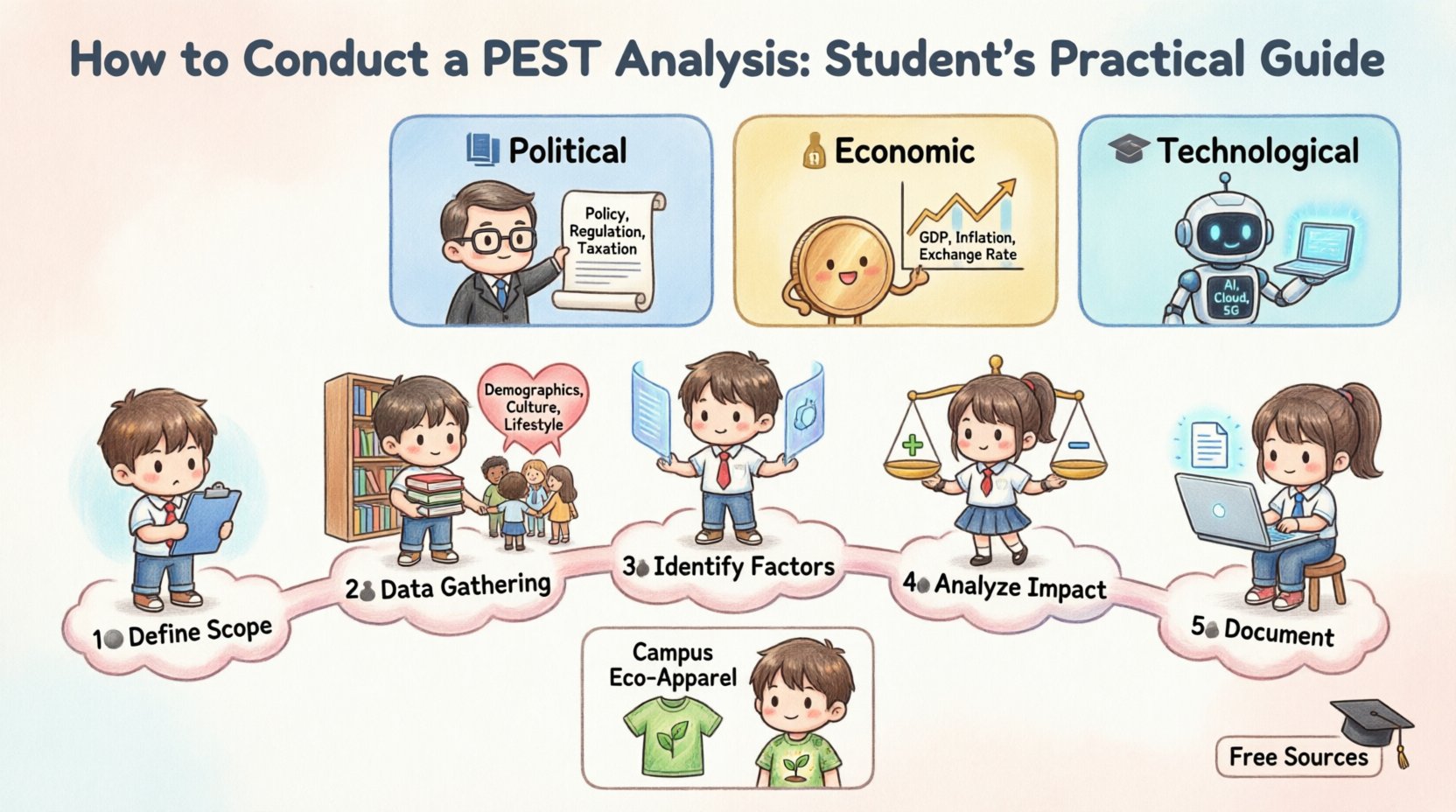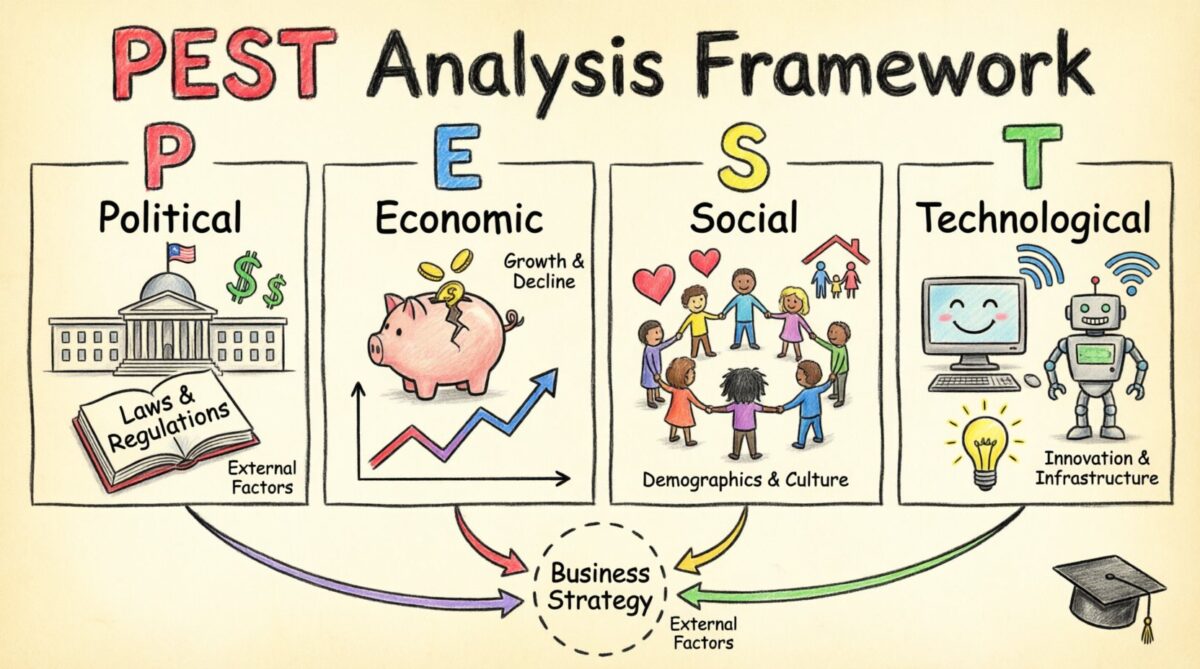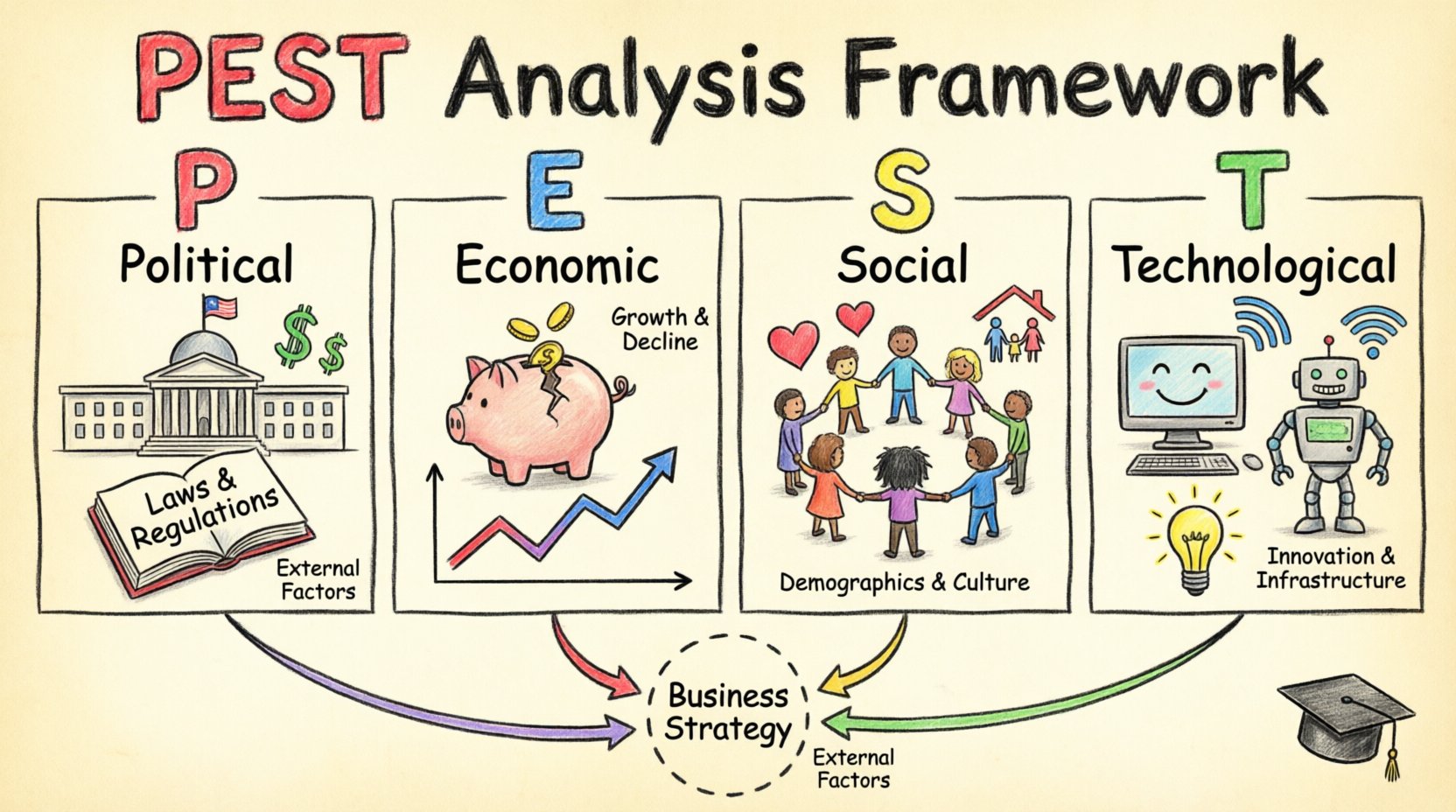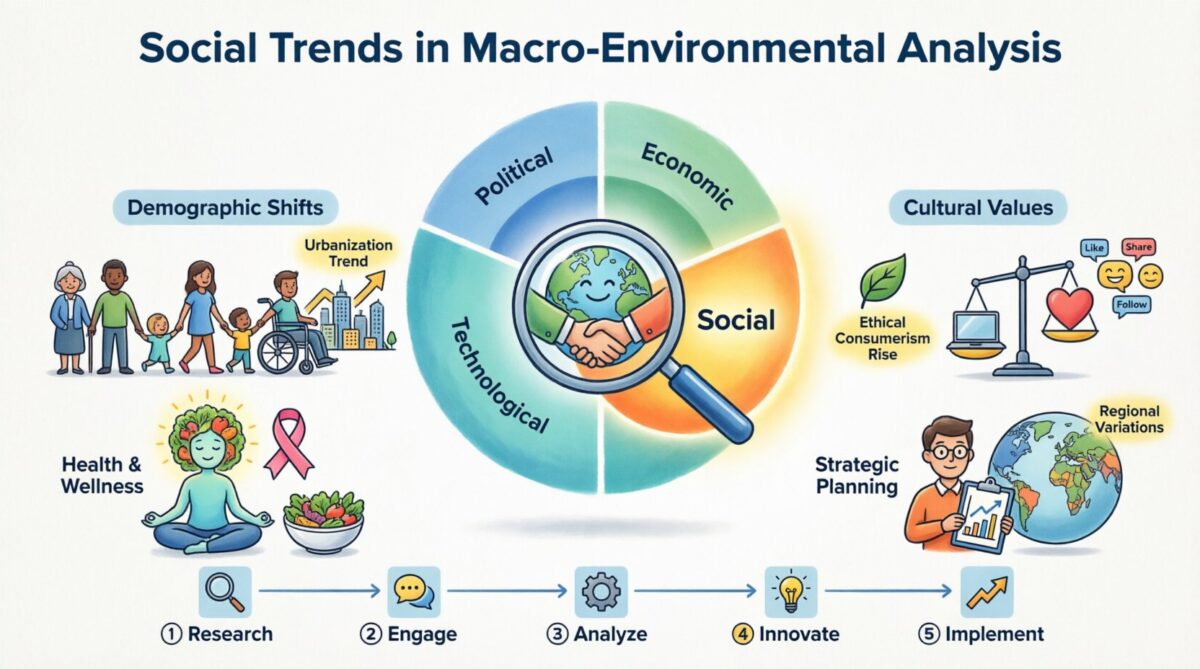
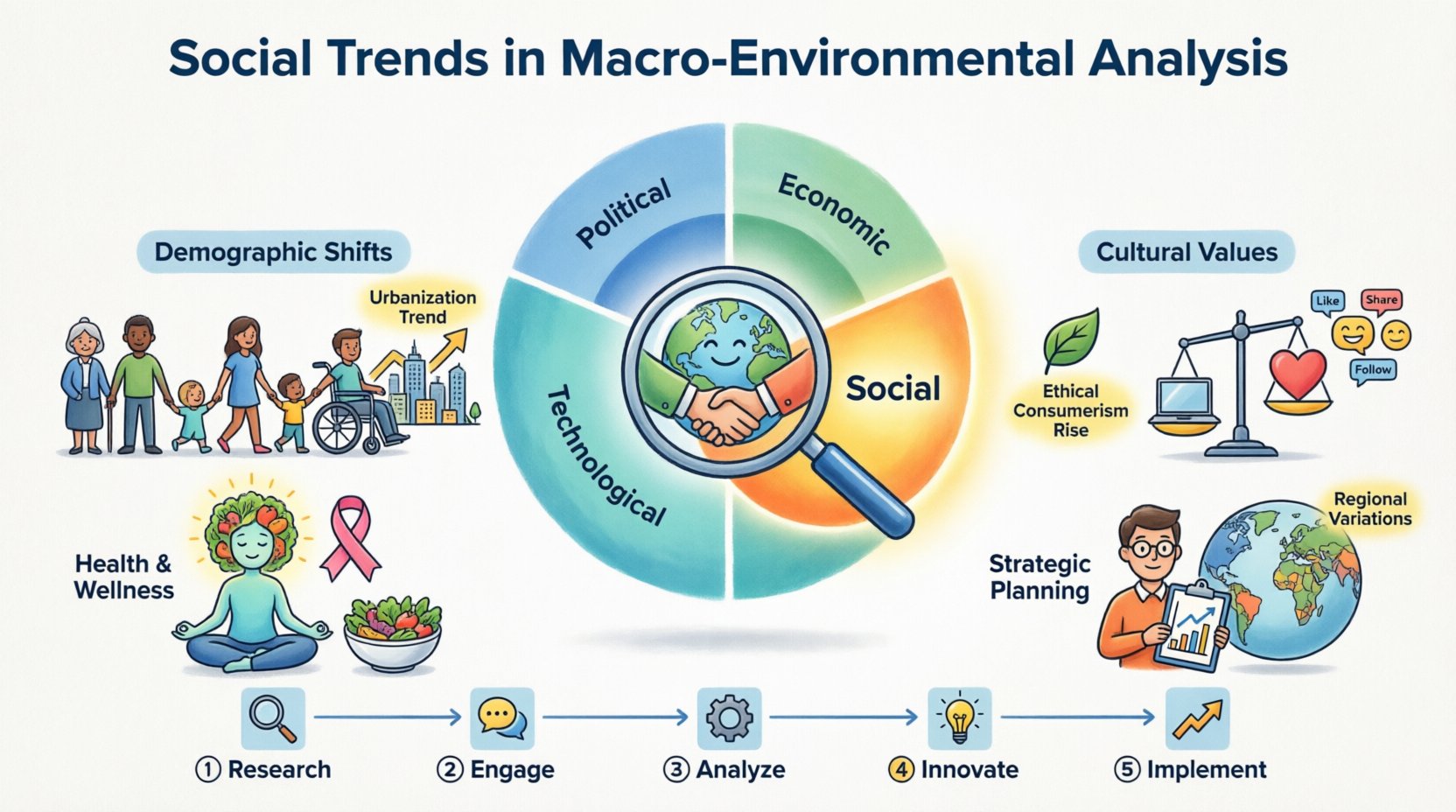
Understanding the external forces that shape business strategy requires a structured approach to environmental scanning. Within the framework of PEST analysis, the ‘Social’ component offers critical insights into the human dynamics driving market demand. This section explores social trends in macro-environmental analysis, detailing how demographic shifts, cultural values, and lifestyle changes influence organizational planning. By examining these factors, leaders can anticipate consumer behavior and adapt their offerings to align with societal expectations.
🔍 Defining the Social Factor in PEST Analysis
The Social dimension of PEST (Political, Economic, Social, Technological) analysis focuses on the cultural and demographic characteristics of the target market. It is not merely about counting people; it is about understanding who they are, what they value, and how they live. This analysis helps organizations identify opportunities and threats stemming from population changes and societal norms.
Key elements typically examined include:
- Population Growth Rates: How fast is the market expanding or shrinking?
- Age Distribution: Is the population aging, or is there a youth bulge?
- Income Distribution: Where does wealth sit within the population?
- Health Consciousness: How much attention does the public pay to wellness?
- Educational Attainment: What is the general skill level of the workforce and consumers?
- Cultural Norms: What behaviors are accepted or taboo?
👥 Demographic Shifts and Market Segmentation
Demographics provide the quantitative backbone for social analysis. A changing population structure directly impacts product demand, labor supply, and investment strategies. Ignoring these shifts can lead to product mismatches or operational inefficiencies.
1. Aging Populations
Many developed economies are experiencing a demographic transition toward older age groups. As birth rates decline and life expectancy increases, the silver economy becomes a dominant force. Businesses must consider accessibility, healthcare needs, and retirement planning services.
- Product Adaptation: Easier-to-use interfaces for older adults.
- Service Design: Home care solutions and mobility aids.
- Marketing Channels: Shifting focus from digital-first to mixed media including print and television.
2. Urbanization and Migration
People are increasingly moving from rural areas to urban centers. This migration creates dense markets with specific consumption patterns. Urban environments often demand convenience, speed, and high-density living solutions.
- Housing Trends: Demand for smaller, efficient living spaces.
- Transportation: Preference for public transit over private vehicle ownership.
- Community Building: Need for shared spaces and local engagement.
3. Diversity and Inclusion
Modern societies are becoming more diverse in terms of ethnicity, gender identity, and family structures. Brands that reflect this diversity often gain stronger loyalty. Conversely, those that ignore inclusive representation risk reputational damage.
- Representation: Ensuring marketing materials reflect the actual population.
- Workforce Policies: Creating environments where all employees feel valued.
- Language: Using inclusive terminology in communications.
🧠 Cultural Values and Consumer Behavior
Beyond numbers, culture dictates the why behind spending. Values evolve over time, influenced by history, religion, and current events. These shifts require companies to adjust their value propositions continuously.
Sustainability and Ethics
There is a growing demand for ethical production. Consumers are increasingly aware of the environmental footprint of goods. This trend pushes organizations to adopt transparent supply chains and sustainable practices.
- Eco-Friendly Materials: Sourcing from renewable or recycled inputs.
- Carbon Neutrality: Reducing emissions in logistics and operations.
- Fair Trade: Ensuring workers are treated fairly throughout the chain.
Work-Life Balance
The traditional nine-to-five model is shifting. Employees and consumers alike prioritize personal time and mental well-being. This affects how businesses operate and how they sell products.
- Flexible Hours: Offering remote work or flexible scheduling options.
- Wellness Products: Services that support stress reduction and fitness.
- After-Hours Support: Minimizing non-essential contact outside business hours.
Technology Adoption as a Social Driver
While Technology is a separate PEST factor, its social impact is profound. The way people interact with tech shapes social norms. Social media, for instance, has changed how information is trusted and shared.
- Digital Privacy: Concerns over data usage influence trust.
- Connection: Desire for virtual communities alongside physical ones.
- Automation: Acceptance of AI in daily tasks.
📊 Comparative Analysis of Social Factors
To better understand how these factors interact, consider the following table comparing different social drivers and their strategic implications.
| Social Factor | Key Characteristic | Strategic Implication |
|---|---|---|
| Age Structure | Shift toward older demographics | Invest in accessibility and health-related services |
| Income Distribution | Widening wealth gap | Develop tiered pricing models |
| Ethical Values | High demand for sustainability | Audit supply chains and certify practices |
| Education Levels | Increased higher education access | Focus on quality and innovation in offerings |
| Family Structure | Rise in single-person households | Package products for individual consumption |
🌱 Health, Wellness, and Lifestyle Changes
Health is no longer just the absence of disease; it is a proactive lifestyle choice. This shift impacts industries ranging from food and beverage to insurance and fitness.
Nutrition and Diet
Consumers are scrutinizing ingredients more than ever. There is a move away from processed foods toward whole, natural options. Dietary restrictions are becoming mainstream rather than niche.
- Plant-Based: Increased demand for meat alternatives.
- Sugar Reduction: Formulations with lower sugar content.
- Allergen Awareness: Clear labeling for gluten, nuts, and dairy.
Mental Health Awareness
Stigma surrounding mental health is decreasing. Companies are expected to support employee well-being, and consumers prefer brands that advocate for psychological safety.
- Support Programs: Access to counseling and mental health days.
- Brand Messaging: Authentic communication about well-being.
- Product Design: Features that reduce digital fatigue.
🎓 Education and Skill Development
Educational attainment affects the sophistication of the consumer base and the availability of talent. A highly educated workforce can drive innovation, while a highly educated consumer base expects higher quality.
- Lifelong Learning: Adults seek continuous upskilling opportunities.
- Online Education: Preference for flexible, digital learning platforms.
- Critical Thinking: Consumers question marketing claims more rigorously.
Organizations must align their training programs with market demands. If the market values coding skills, for example, internal training should reflect that to maintain competitiveness.
📈 Analyzing Trends for Strategic Planning
Collecting data on social trends is only the first step. The value lies in interpreting this data to inform strategy. A systematic approach ensures that social insights translate into actionable plans.
1. Data Collection Methods
Reliable information comes from diverse sources. Relying on a single channel can lead to bias. Organizations should triangulate data from:
- Government census data and reports.
- Sociological studies and academic research.
- Consumer surveys and focus groups.
- Media analysis and social listening.
2. Identifying Patterns
Once data is gathered, look for consistent patterns over time. Is a trend temporary or structural? A temporary fad might warrant a short-term campaign, while a structural shift requires long-term investment.
- Short-Term: Seasonal changes or viral moments.
- Long-Term: Aging populations or climate consciousness.
3. Scenario Planning
Prepare for multiple futures. Social trends can accelerate or reverse based on political or economic shocks. Creating scenarios helps organizations remain agile.
- Best Case: Trends align with business goals.
- Worst Case: Social resistance to the product increases.
- Most Likely: Gradual evolution of current behaviors.
🌐 Regional Variations in Social Trends
Macro-environmental analysis must account for geography. A trend in one country may not exist in another. Global organizations need a localized approach to social analysis.
- Western Markets: Often prioritize individualism and self-expression.
- Asian Markets: May place higher value on collectivism and family stability.
- Emerging Markets: Rapid urbanization and rising middle-class consumption.
Understanding these nuances prevents costly mistakes in global expansion. A product that succeeds in one region might fail in another due to cultural misalignment.
⚠️ Risks of Ignoring Social Factors
Failing to monitor social trends carries significant risks. Products become obsolete, brands lose relevance, and talent becomes difficult to retain.
- Market Rejection: Consumers boycott brands that ignore cultural values.
- Regulatory Pressure: Governments may legislate based on social demands (e.g., labor laws).
- Talent Shortages: Inability to attract workers who do not align with company culture.
🚀 Future Outlook for Social Analysis
The landscape of social analysis is evolving. Real-time data is becoming more accessible, allowing for faster reaction times. However, the core principles remain rooted in human understanding.
- AI in Research: Using algorithms to detect sentiment shifts earlier.
- Privacy Regulations: Stricter rules on data collection will require new methods.
- Global Interconnectedness: Trends in one region will ripple faster to others.
Organizations that invest in deep social intelligence will be better positioned to navigate uncertainty. The ability to read the room, so to speak, remains a competitive advantage.
🛠 Practical Steps for Implementation
To integrate social trends into your analysis framework, follow these steps:
- Establish Baselines: Define current demographic and cultural metrics.
- Monitor Continuously: Set up alerts for significant shifts in social indicators.
- Engage Stakeholders: Include diverse voices in the analysis process.
- Test Hypotheses: Run small pilots before full-scale implementation.
- Review Regularly: Update the PEST analysis annually or when major shifts occur.
By maintaining a disciplined approach to social monitoring, businesses can align their strategies with the human reality of their markets. This alignment builds resilience and fosters sustainable growth.
🤝 Final Thoughts on Social Intelligence
Social trends are the heartbeat of the market. They pulse with the rhythm of human change. While politics and economics set the stage, society writes the script. A robust macro-environmental analysis must give the ‘Social’ factor the weight it deserves.
Leaders who listen to these signals can design products that resonate, policies that protect, and cultures that thrive. The goal is not to predict the future perfectly, but to be prepared for it. By understanding the people you serve, you ensure your business remains relevant for the long term.